
Nature-Based Fisheries to Strengthen Ocean Food Security
The Problem
-
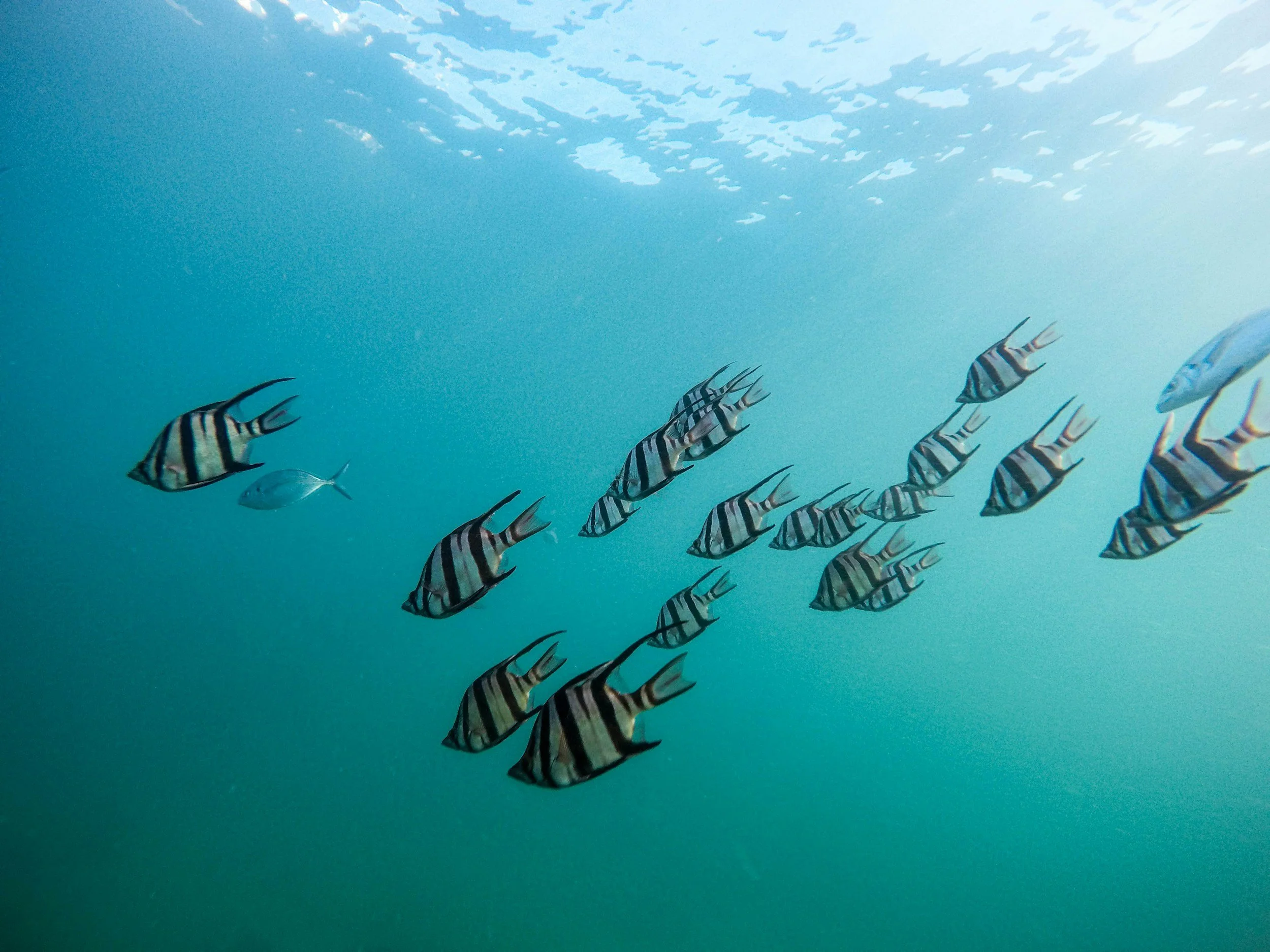
Declining Fish Stocks Threaten Food Security
Global food demand is rising, and climate change is making land-based production less predictable. The ocean can help fill the gap, but only with fisheries that scale sustainably.
-
The Caribbean Relies Too Heavily on Imports
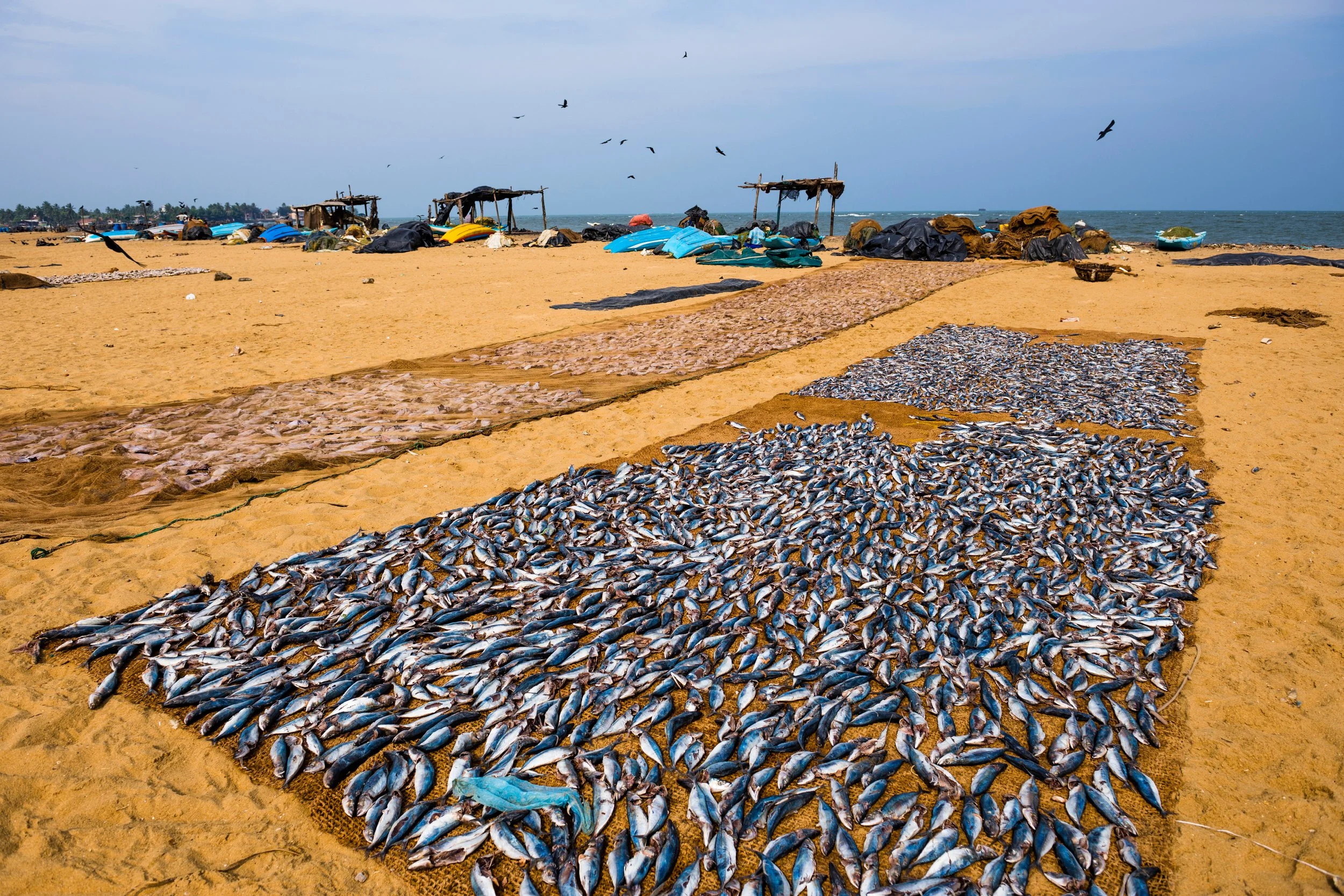
Caribbean economies rely heavily on imported goods including, seafood and other products.
Initiatives like 25 by 25+5 (2030) highlight the need for new, local production models, and enhancing fisheries offers the strongest path to reduce imports and grow exports.
-
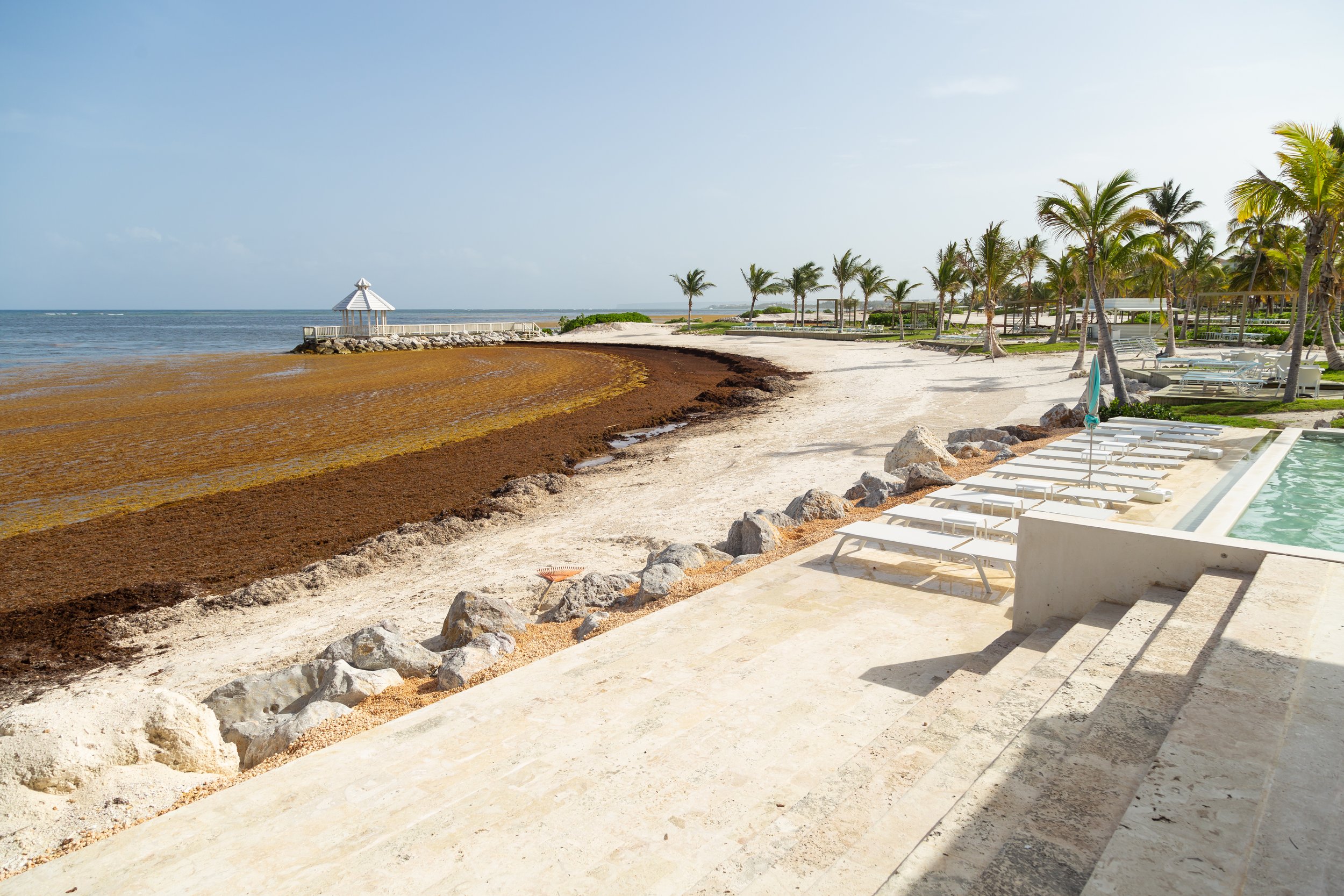
Sargassum influxes are increasing and treated as waste rather than opportunity.
Sargassum is disrupting tourism, coastal ecosystems, and public health. Yet most responses focus on turning it into something after it has caused damage.
Offshore, however, sargassum functions as a mobile ecosystem that supports marine life, and proactive solutions can work with it before it becomes a problem.
The Caribbean




Our Solution
-
![]()
System Overview
Seeing Sargassum before it becomes a problem
We combine satellite imagery, ocean circulation models, and public sargassum forecasts to understand where sargassum is forming, how much biomass is present, and where it is likely to drift. By integrating these existing data sources, we provide clearer, more actionable insight into offshore sargassum movement before it reaches shore.
-
![]()
Food Block
Enhancing natural fish aggregation
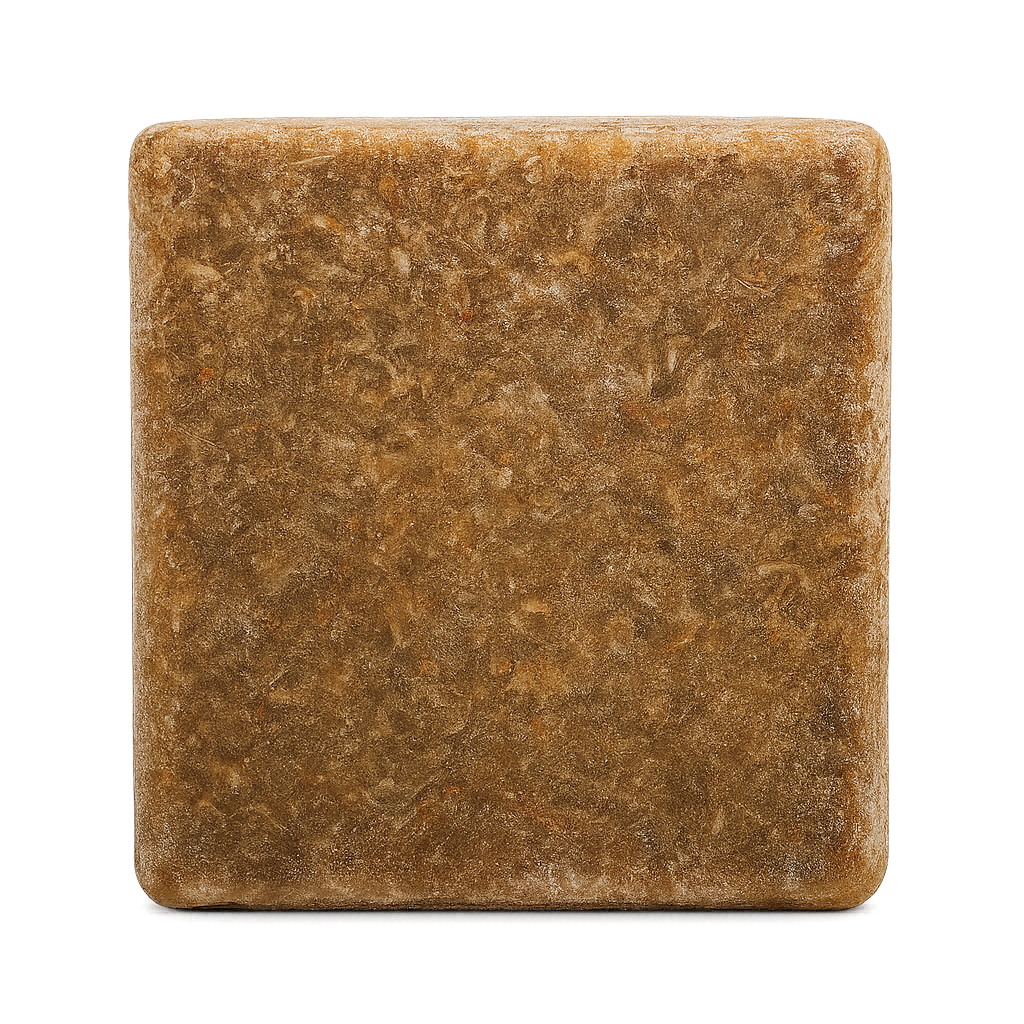
We work with our supply partners at ISER Caribe to develop a food block made from native organisms such as sea urchins, copepods, small crabs, and oysters, paired with our patent-pending coupler. These organisms either graze sargassum or help sink it offshore. If they do not attach, the remaining biomass becomes food for the surrounding food web.
-
![]()
Tracker
Sargassum & fish tracking hardware
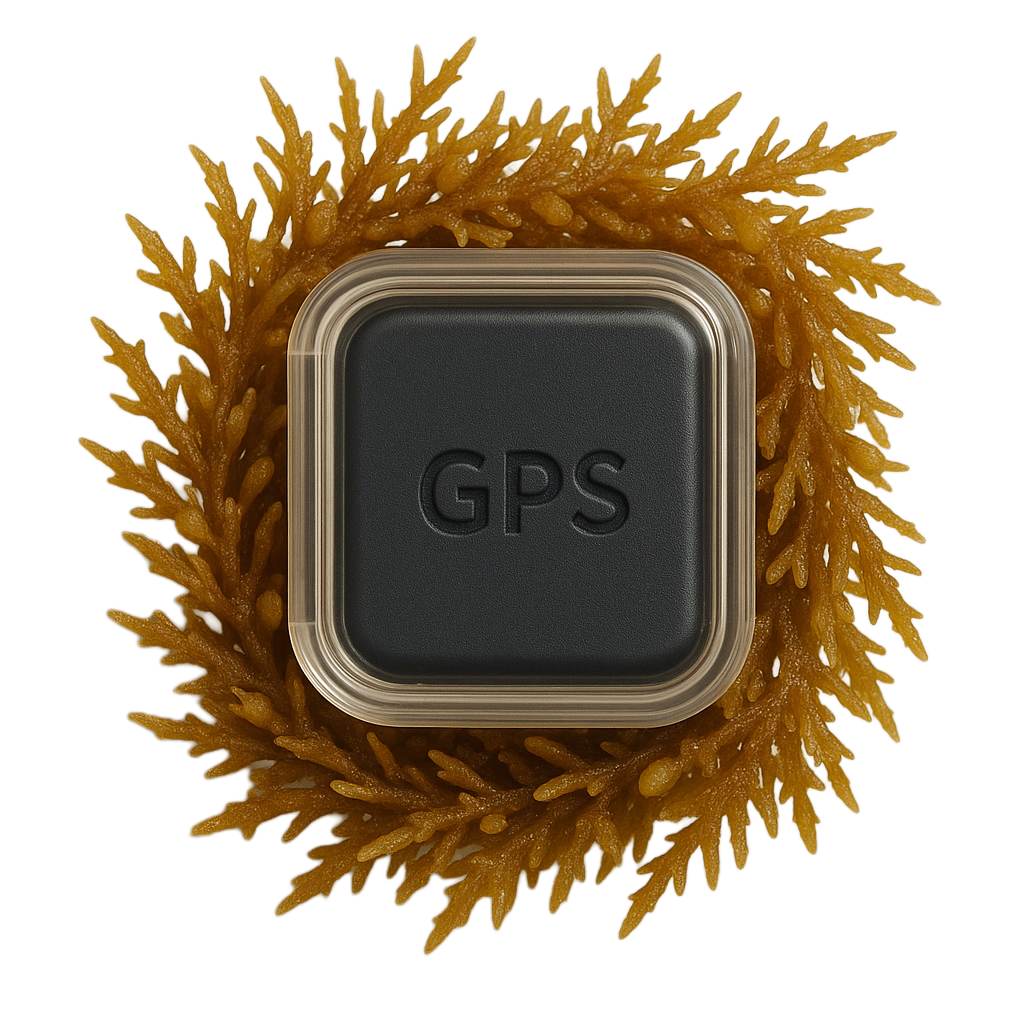
Fishermen deploy a solar-powered GPS tracker into the same sargassum patch, providing unlimited location updates as the mat drifts. The tracker housing is designed to naturally entangle within the seaweed so it moves with the patch over time. Trackers can be recovered during follow-on fishing trips or when sargassum eventually reaches shore.
-
![]()
Software
Turning drift into decision making
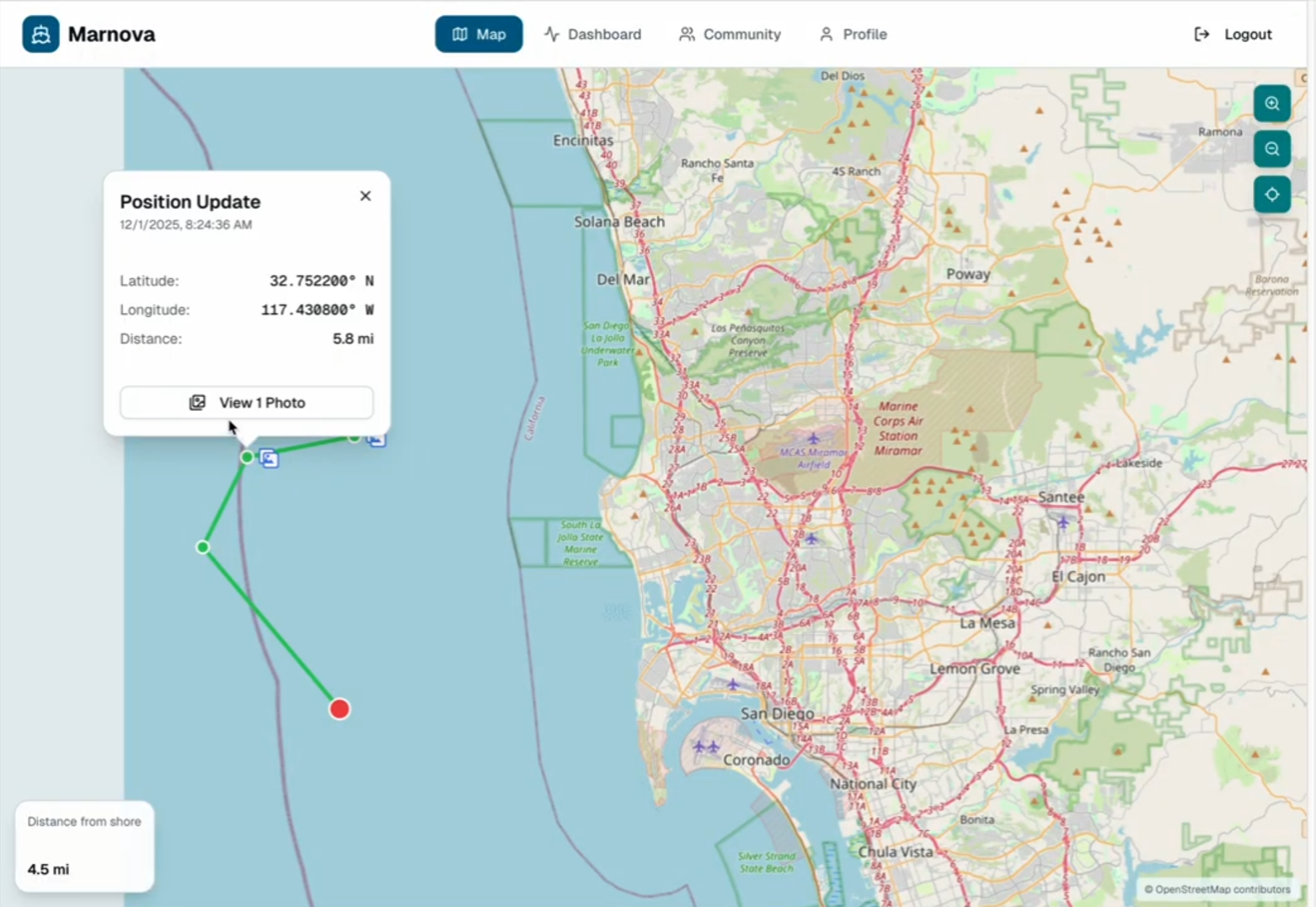
Fishermen pair their trackers with our software to view sargassum locations, deployment sites, and drift paths in one place. Over days to weeks, this allows them to return precisely to productive mats and reduce search time. Future versions will integrate fish-finder data to estimate fish abundance and species composition around these enhanced natural structures.
Future: Creating Open-Ocean Fisheries
-
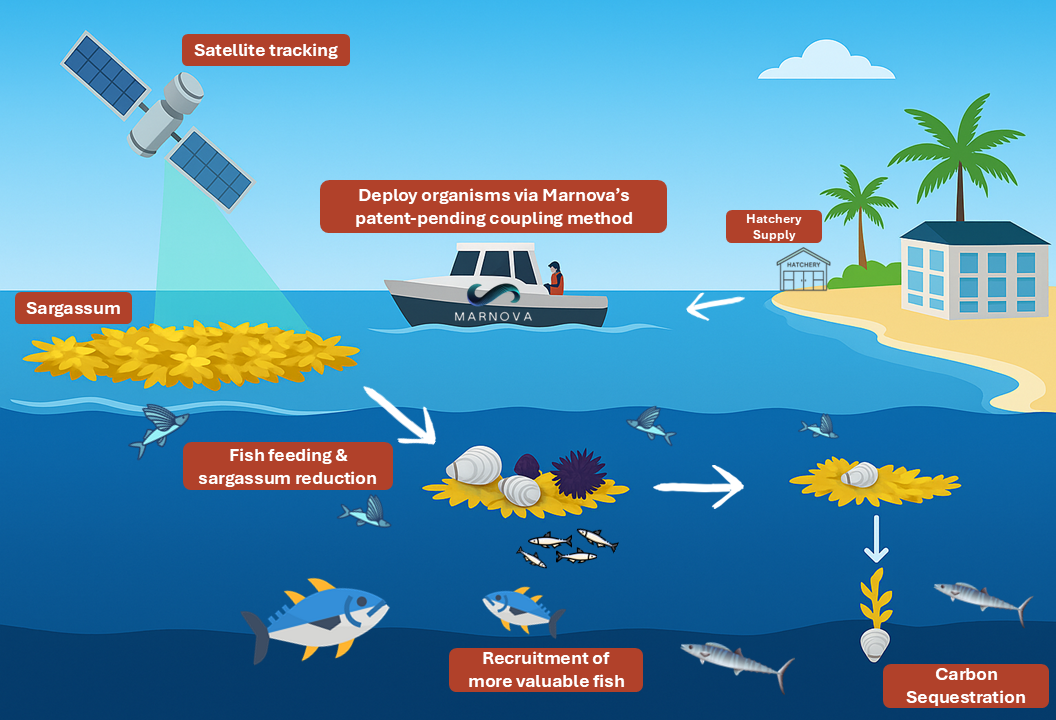
FloCS consists of:
Floaters (macroalgae spores)
Sinkers (calcifying invertebrate larvae)
Coupler (IP co-settlement and nutrient enhancer)
-
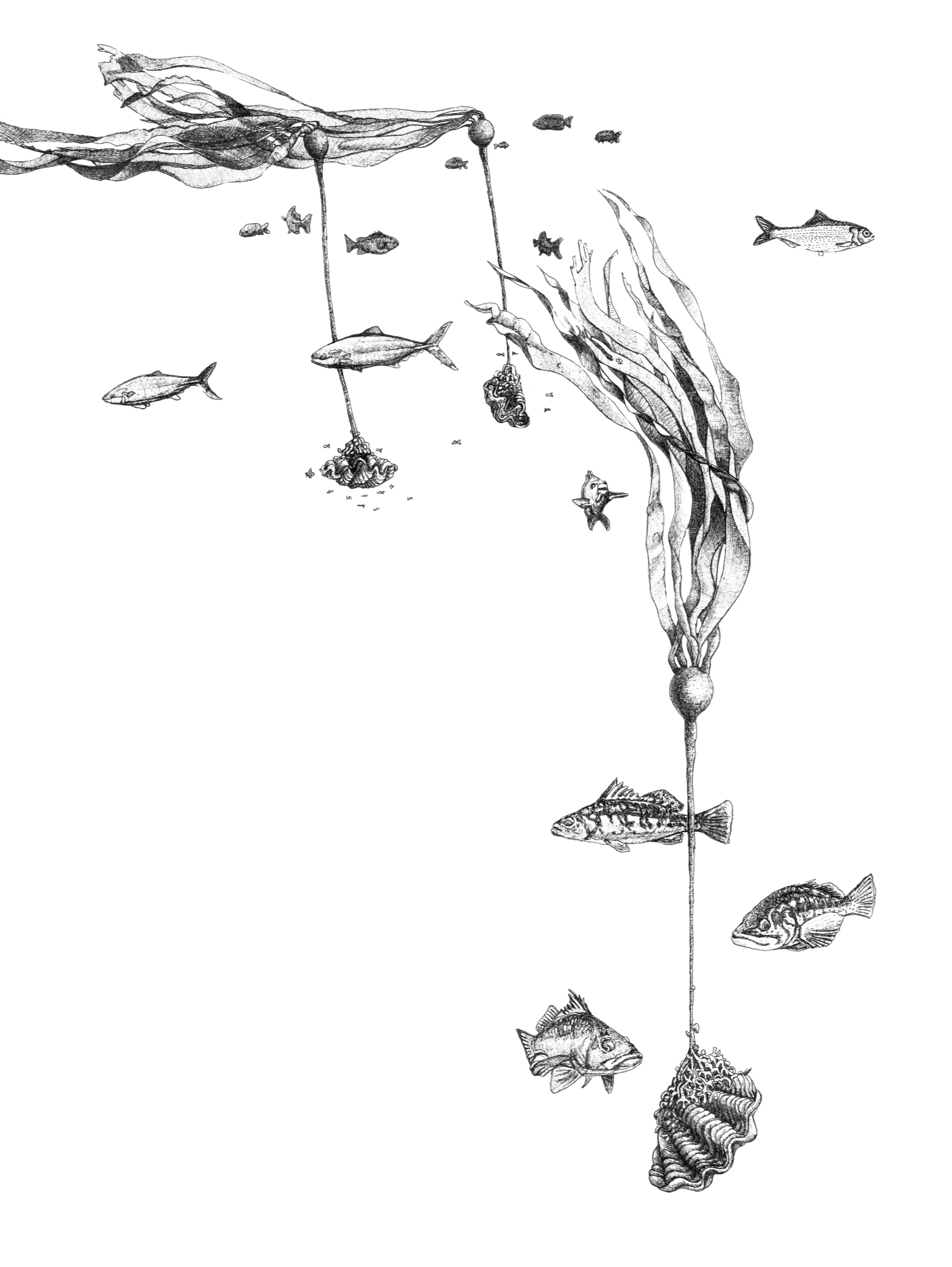
FloCS enables the deployment of billions of coupled units that grow into full structures that recruit fish. These structures can be fished from as they mature offshore. Over time, the sinkers gain mass and the entire structure sinks to the deep ocean.
-
By creating stable aggregation points, FloCS supports more efficient and more selective fishing offshore. This enables the harvest of sustainably caught fish while reducing pressure on coastal and nearshore ecosystems (like coral reefs), strengthening food security and ocean health.
-
As monitoring, reporting, and verification (MRV) frameworks and demand for nature-based carbon credit markets mature, sinking FloCS structures may support future carbon credit pathways. Any carbon outcomes will depend on validated methodologies and long-term measurement. Today, our focus remains on building fisheries.